
The Building Blocks of Sustainable Living
The Building Blocks of Sustainable Living
Sustainability in Lusail is not defined by a single initiative — it is embedded into the city’s DNA. Every system, from transportation and infrastructure to landscapes and digital networks, has been designed to support a more resilient and efficient way of living.
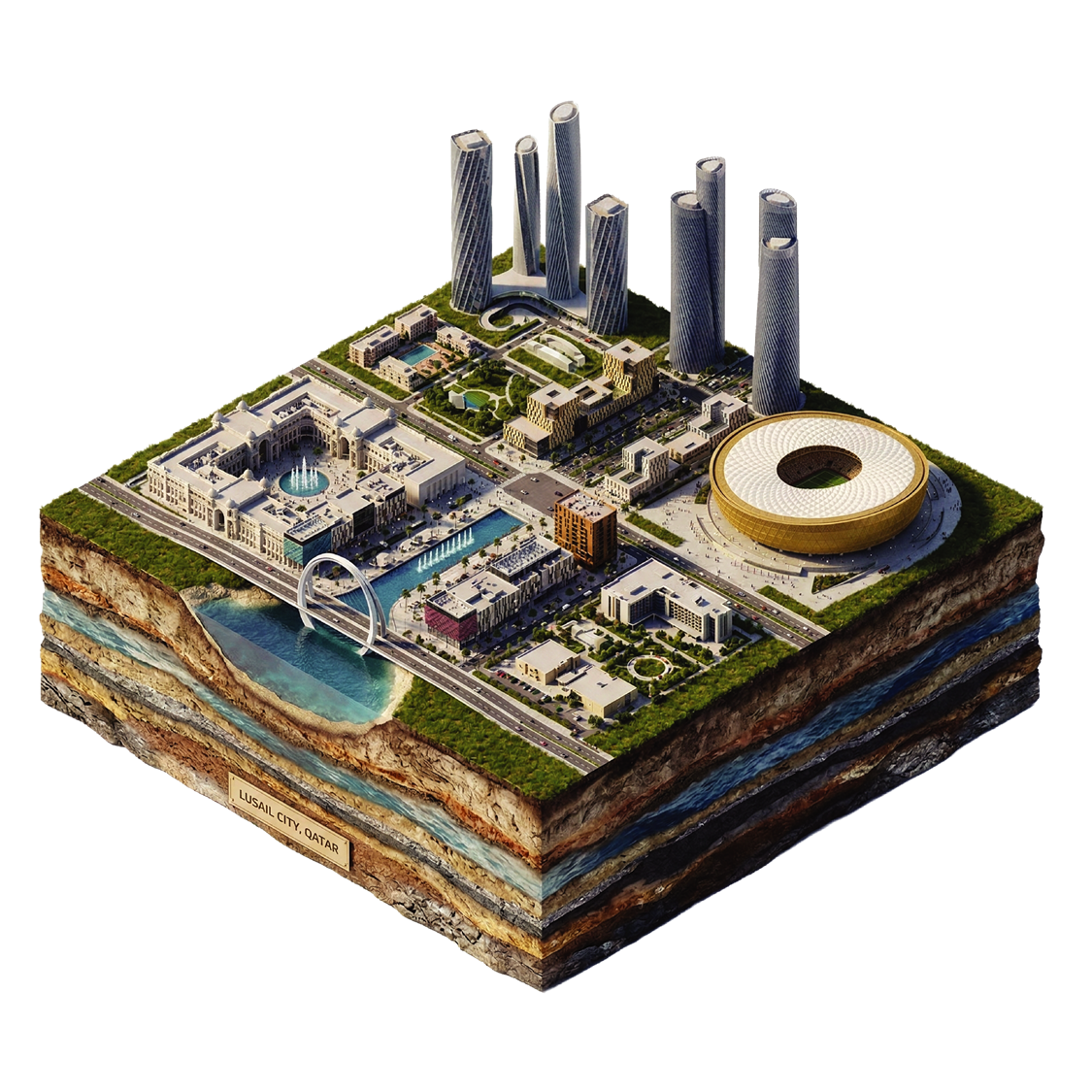
As the flagship project of Qatari Diar and a physical expression of Qatar National Vision 2030, Lusail spans 38 square kilometres across 19 integrated districts, planned as a self-contained city where life, work and recreation coexist within a carefully engineered ecosystem.
More than 200,000 residents will live here, with 170,000 working across its districts and thousands more visiting its retail and entertainment destinations. The challenge was never just scale — it was ensuring that growth could happen sustainably.



A City Designed to Move Sustainably
Mobility is one of Lusail’s most visible sustainability pillars. The integrated transport network was designed to reduce congestion, limit emissions and promote alternative commuting models.
At its core is the Lusail Tram, connecting all districts while linking seamlessly with the Doha Metro — reducing reliance on private vehicles and supporting energy-efficient mobility.
A park-and-ride system encourages a shift from cars to public transport, while a hierarchical road network and underground tunnels balance accessibility with pedestrian-friendly streets.
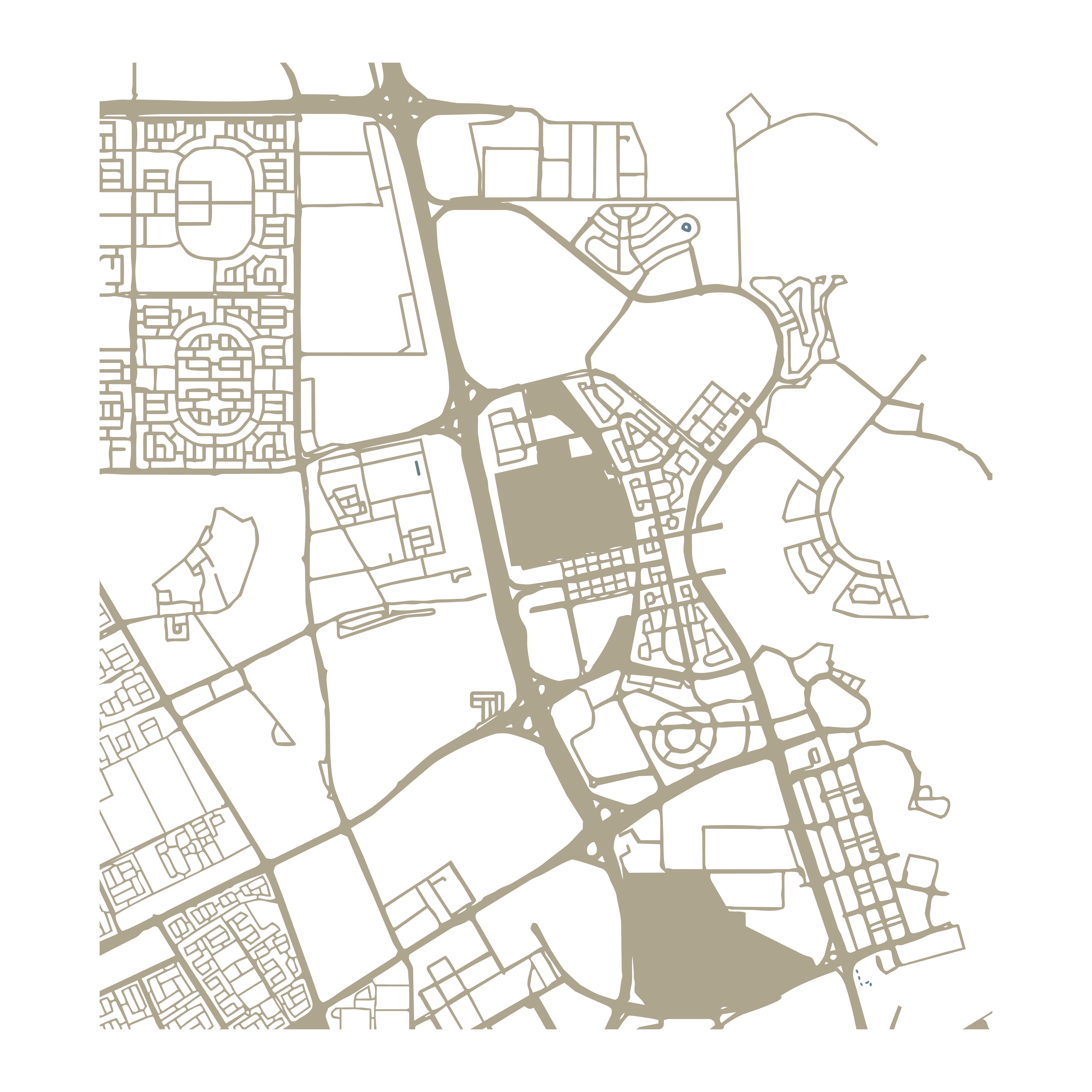
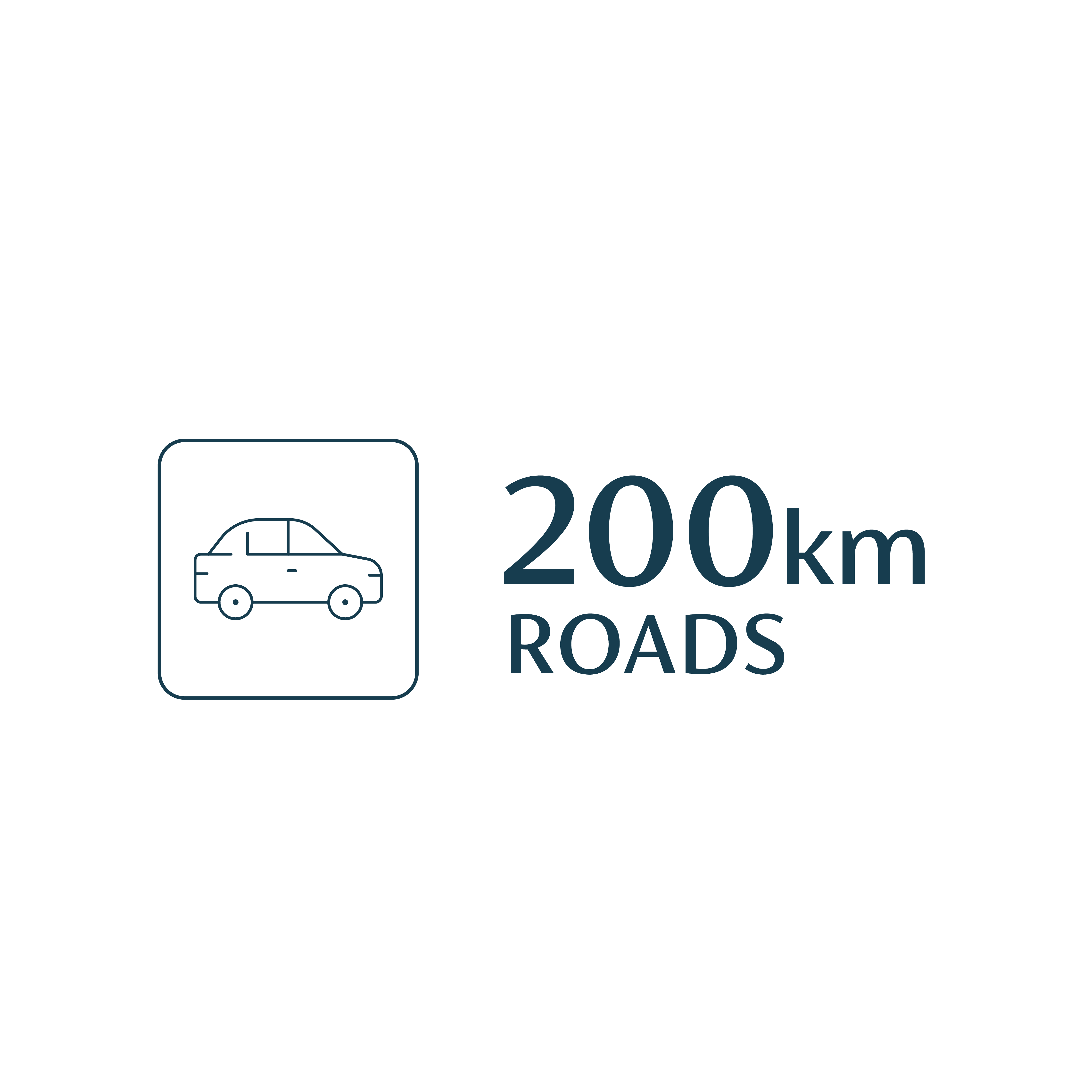
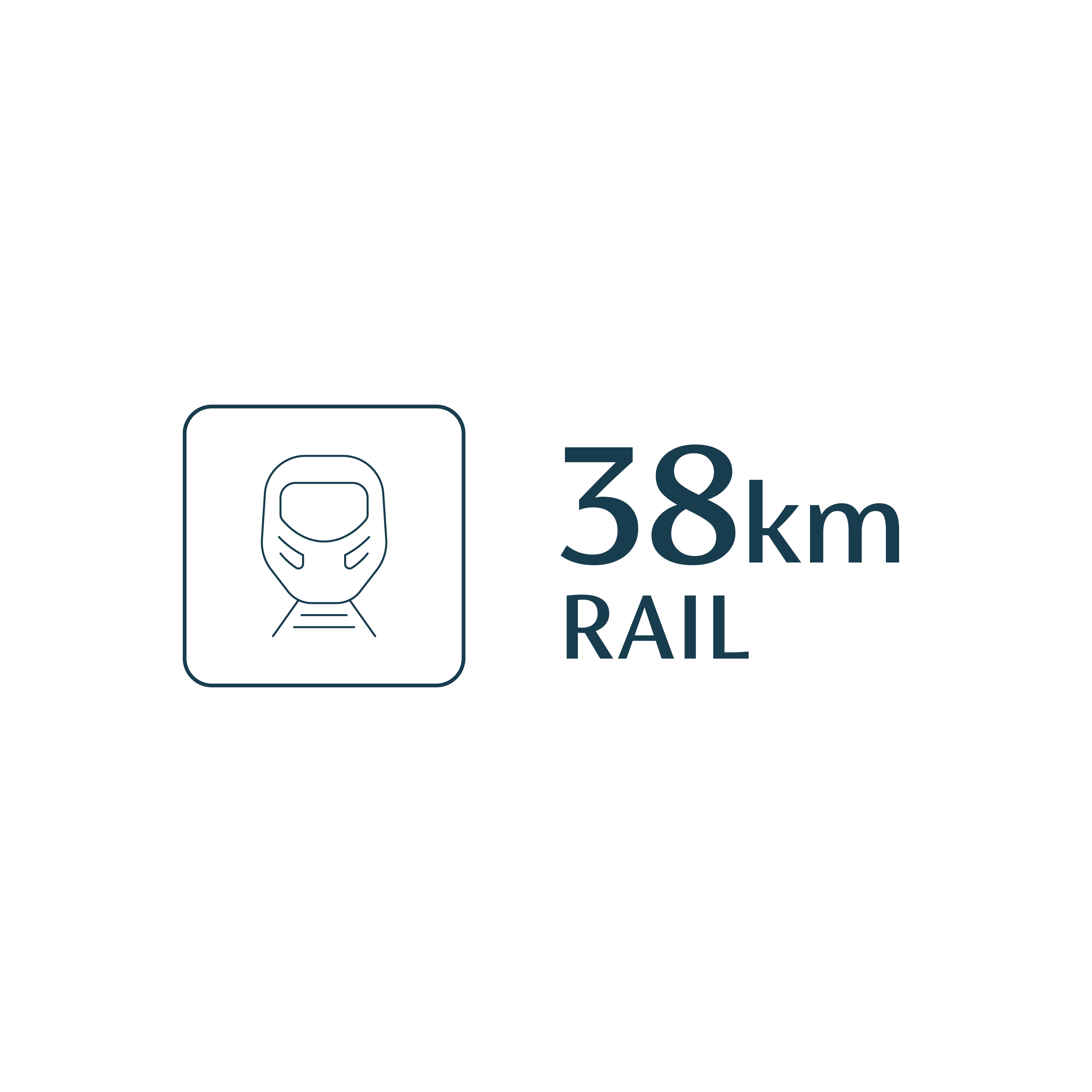
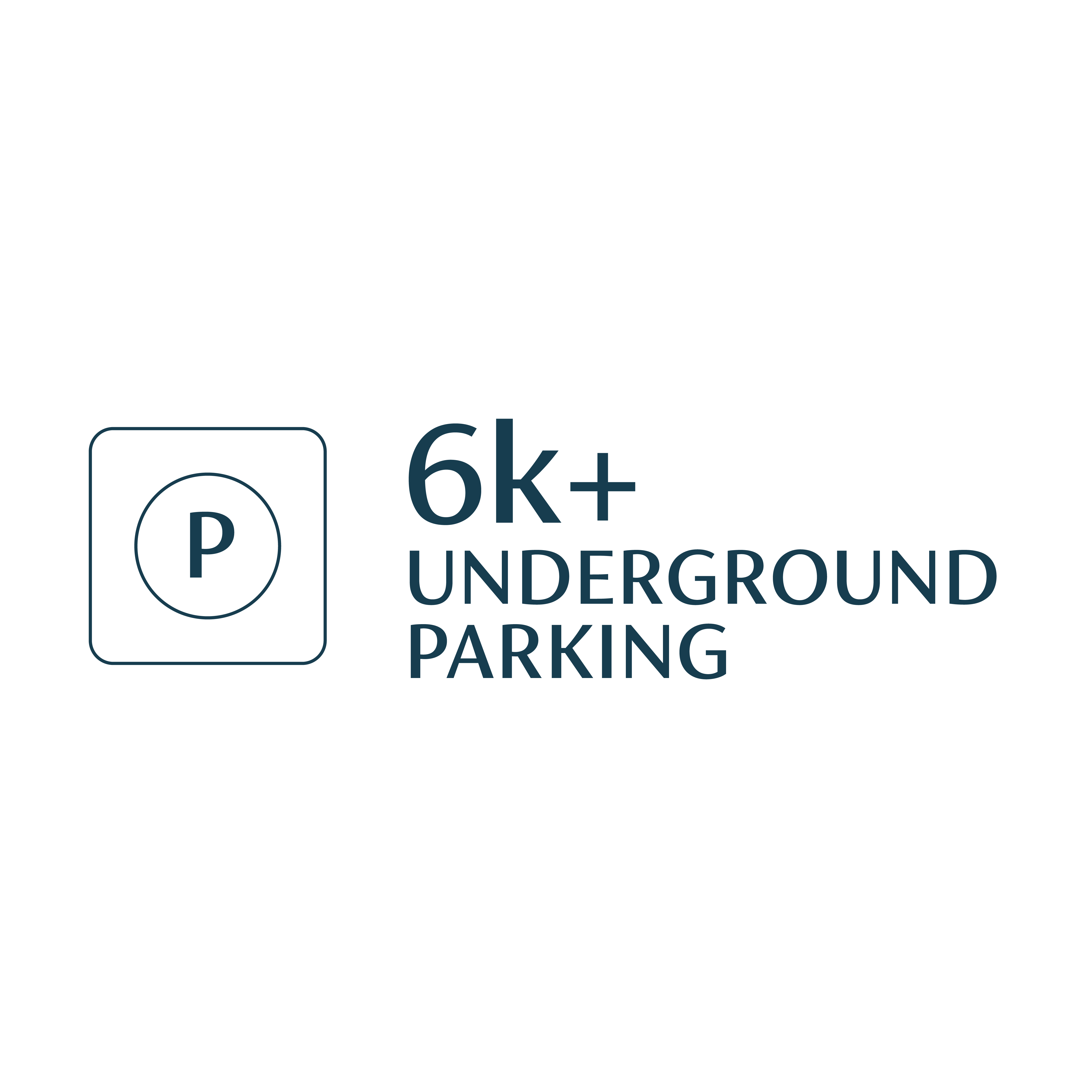
Water transport extends mobility across the city, supported by marinas and water taxi stops, while pedestrian and cycling networks connect neighbourhoods and public spaces — encouraging active, low-impact movement.
Planning for Proximity, Not Distance
Sustainability in Lusail is not only about how people move, but how far they need to travel.
The masterplan embeds essential services — schools, healthcare, retail and community facilities — within each district, ensuring they are accessible within walking distance.
Major destinations are positioned near transport nodes, while mixed-use zoning integrates residential, commercial and recreational spaces to reduce travel demand. Public spaces and walkable environments are woven into the urban fabric, supporting social interaction and wellbeing.
Landscapes that Restore and Protect
In Lusail, open space is not decorative — it is ecological infrastructure.
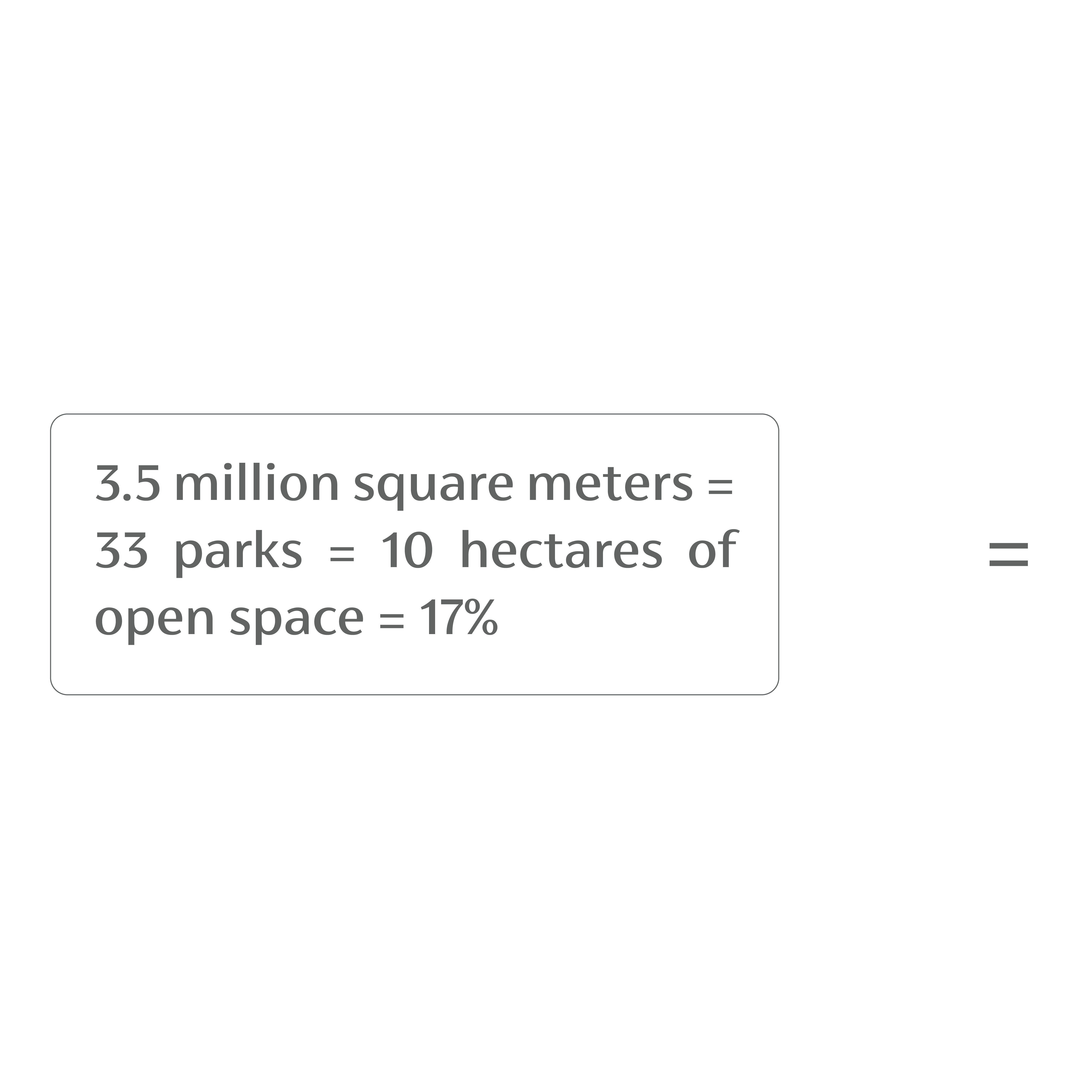
A significant portion of the city is dedicated to open space, designed to support biodiversity, reduce irrigation demand and respond to Qatar’s climate through native planting. Parks, green corridors and landscaped streetscapes form a connected environmental network, enhancing both ecology and liveability.
One of Lusail’s most distinctive ecological interventions is the Wadi Conservation Park. Inspired by natural wadi systems, the park captures and recycles rainwater runoff from Al Khor Road and surrounding urban areas. Beyond water management, it creates a unique habitat rooted in local plant species and offers cultural, educational and aesthetic value.
Across the city, streetscapes extend the environmental strategy. Landscaped medians, tree-lined roads, irrigation systems, lighting, furniture and pedestrian pathways are carefully integrated to create a cohesive urban ecosystem rather than isolated green pockets.
Protecting Land, Coastlines and Marine Life
Lusail’s environmental strategy extends to its coastline, which stretches for more than 27 kilometres.
To protect and enhance marine ecosystems, the shoreline incorporates stone revetment walls that function as artificial reefs, alongside concrete stepped and terraced retention walls that create new habitats for flora and fauna. These measures not only stabilise the coastline but actively contribute to marine biodiversity.
Environmental protection is reinforced through annual monitoring and environmental impact assessments, including siltation surveys and compliance with Environmental Management Plans. The strategy aims to minimise environmental impact during both construction and long-term operation.
Habitat preservation extends inland as well. Lusail’s planning framework protects dense and scattered seagrass beds, intertidal flats, rocky desert environments and low-lying terrestrial ecosystems. Green corridors and waterfront landscapes also act as natural buffers, trapping windblown sand and dust and improving overall environmental resilience.
Infrastructure Built for Long-Term Efficiency
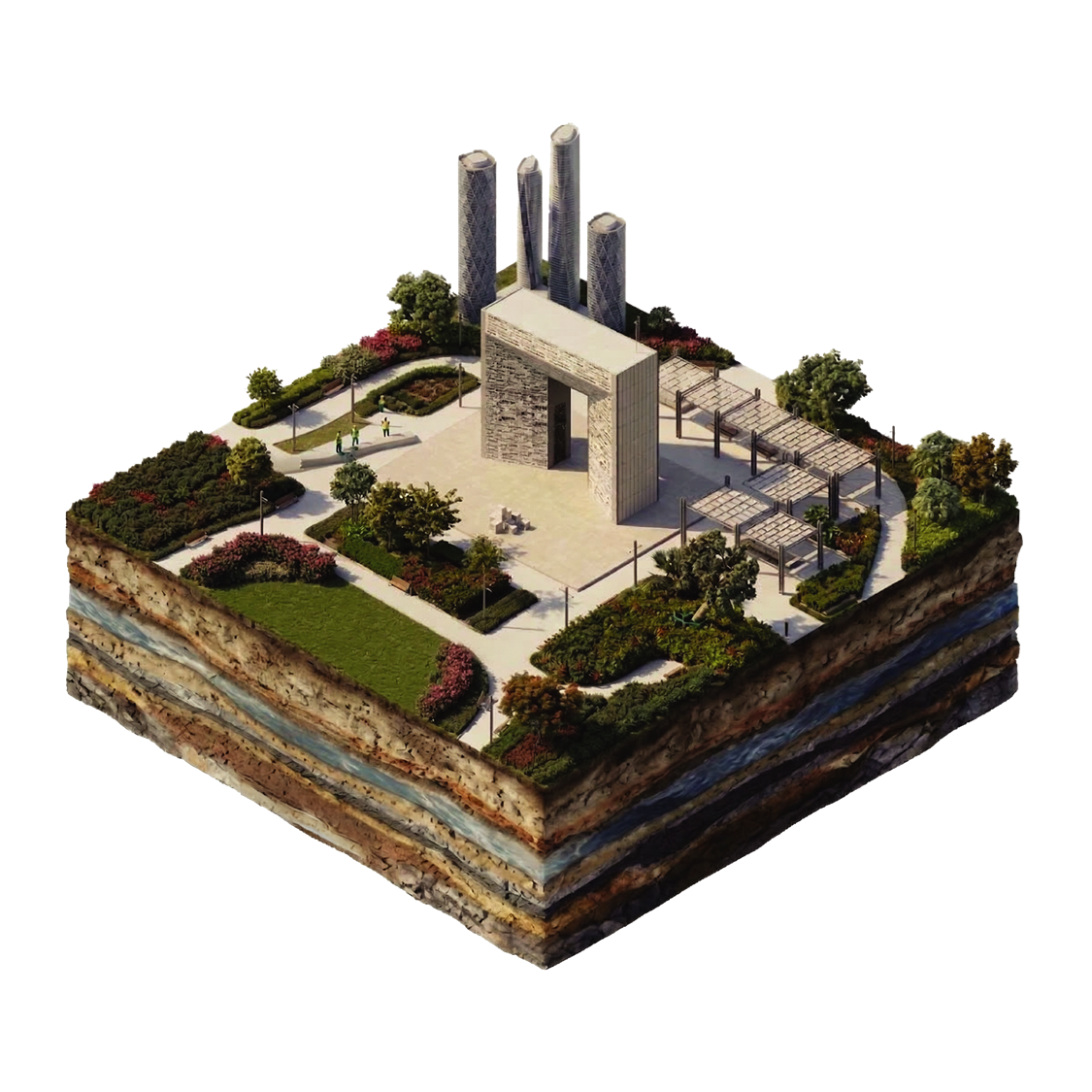
Much of Lusail’s sustainability lies beneath the surface, in infrastructure designed for efficiency and longevity.
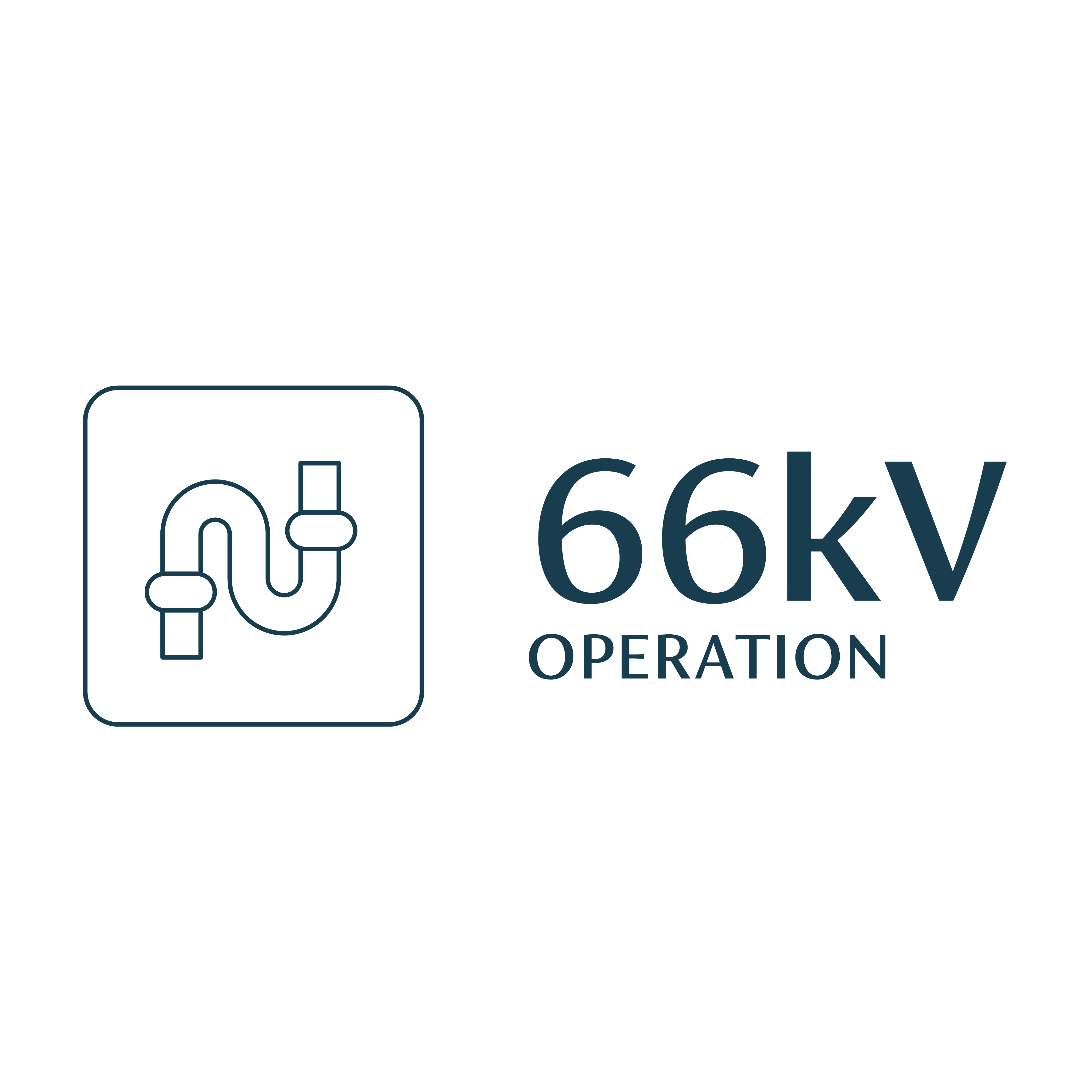
An integrated gas network improves energy efficiency, while underground utility tunnels enable maintenance and expansion without disrupting daily life. Advanced power distribution systems support the city’s needs while preserving the visual quality of the urban environment. Stormwater systems manage water flow and prevent flooding through controlled, automated infrastructure.
Rethinking Energy, Waste and Water
Lusail approaches utilities through circular, resource-conscious systems designed to reduce emissions and maximise reuse.
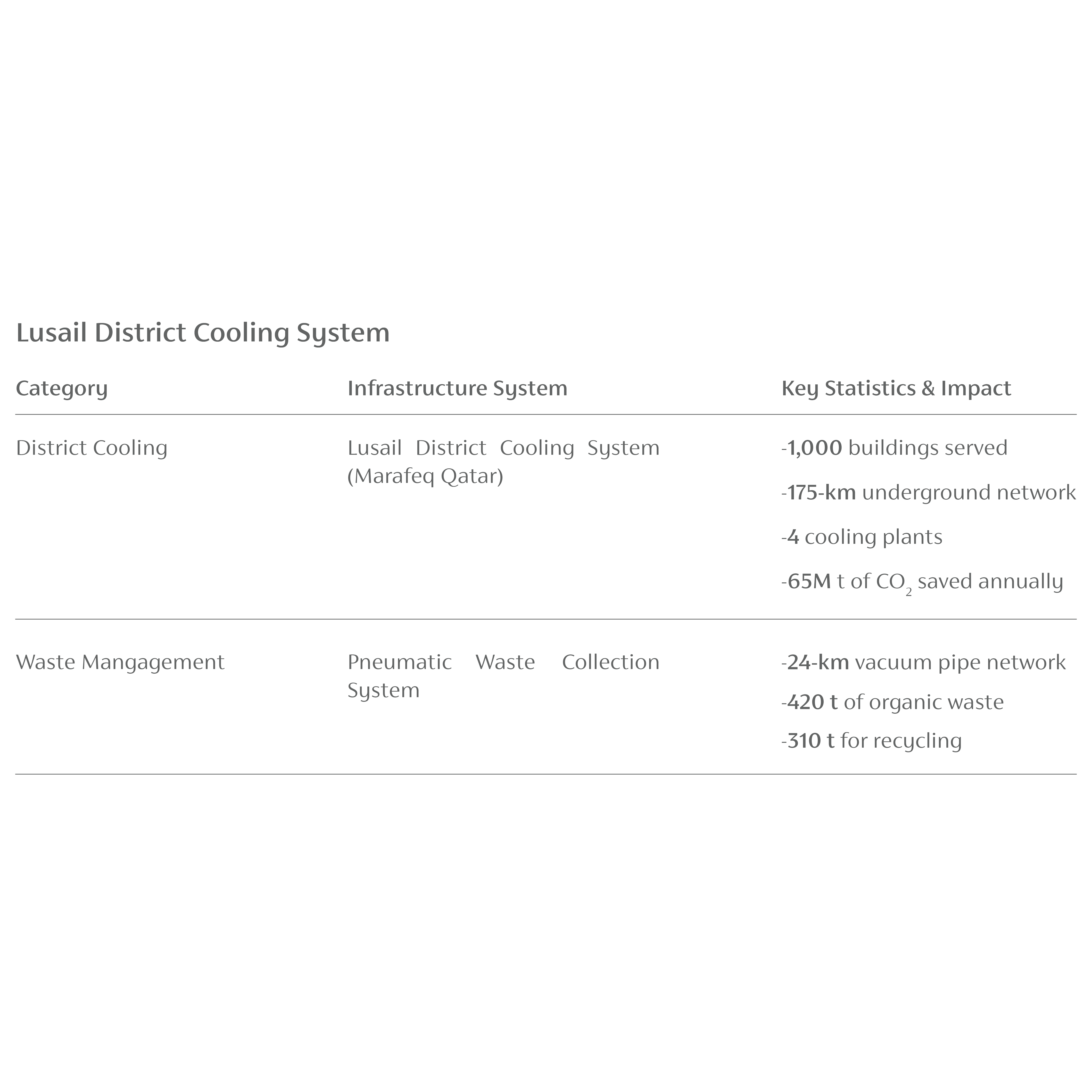
District cooling provides energy-efficient temperature control across buildings, reducing environmental impact at scale. A pneumatic waste system replaces traditional collection methods, improving efficiency while reducing traffic, noise and pollution. Water is treated and reused for irrigation, ensuring sustainable resource management across the city.
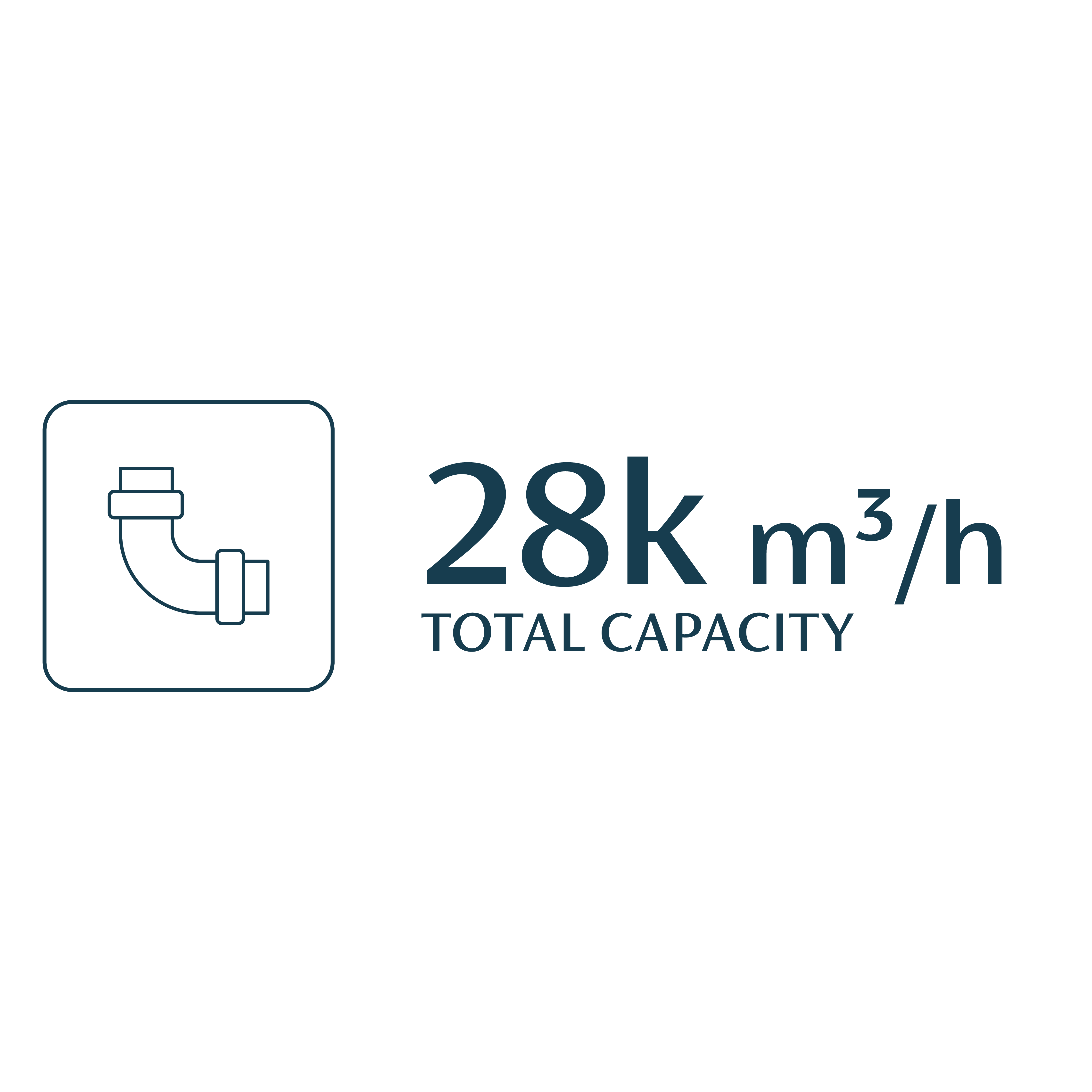
The city’s advanced treatment plant uses submerged Membrane Bio-reactor technology to produce high-quality treated sewage effluent that is reused for irrigation and landscaping. Sludge is thickened, stabilised and dewatered to achieve a minimum of 30% dryness, while a network of return pipelines distributes treated water across Lusail and neighbouring developments.
Smart Systems at the Core
Beyond physical infrastructure, Lusail has been designed as a fully connected smart city.
A city-wide ICT backbone — including fibre optic networks and public Wi-Fi — supports integrated digital services across residential, commercial and civic environments. Smart grids, smart metering and intelligent traffic management systems improve operational efficiency while enabling real-time responsiveness across urban systems.
The city has been built with future automation in mind. Buildings are equipped to support advanced building management systems, enabling the full automation of homes and offices. Residents and businesses will benefit from services such as e-health, e-education, smart access control and cloud-based platforms that enhance daily life and operational efficiency.
At the centre of this ecosystem sits the Lusail Command and Control Centre (LCCC). Acting as the city’s digital nerve centre, it integrates operations and data management through two primary components: the Operation Centre, which monitors and manages smart services, and the Data Centre, which provides processing, storage and scalability. Together, they ensure resilience, adaptability and long-term technological growth.
A Framework That Ties It All Together
While Lusail’s sustainability is visible in its transport, landscapes and infrastructure, it is also guided by a formal performance framework. The city was the first development in Qatar to adopt the Global Sustainability Assessment System (GSAS) as a mandatory benchmark.
All buildings are required to achieve a minimum GSAS rating, ensuring measurable standards across energy efficiency, water conservation, material sourcing, environmental quality and operational performance. Incentives encourage developers to exceed minimum requirements and achieve higher ratings, reinforcing a culture of continuous sustainability improvement across the city.
Rather than existing as a standalone initiative, GSAS acts as the framework that connects Lusail’s many sustainability layers — ensuring that mobility systems, infrastructure networks, environmental protections and building performance all contribute to a unified long-term vision.
Rather than existing as a standalone initiative, GSAS acts as the framework that connects Lusail’s many sustainability layers — ensuring that mobility systems, infrastructure networks, environmental protections and building performance all contribute to a unified long-term vision.
A Living Model of Sustainable Urbanism
Lusail is not simply a modern development — it is a working model of how cities can grow responsibly.
By integrating mobility, ecology, infrastructure and digital intelligence into a single masterplan, Lusail demonstrates how sustainability can move beyond ambition into implementation. It is a city where environmental performance is engineered into everyday life — and where the building blocks of sustainable living are not theoretical, but tangible.